
The titling process in the military is a critical event with long-term implications that can affect a service member’s career, reputation, and future employment opportunities. While many websites briefly mention that titling occurs when a service member becomes the subject of a criminal investigation, few explain the full scope of what happens next. At National Security Law Firm (NSLF), we believe in providing a thorough, step-by-step breakdown of the titling process and how it impacts service members in the long run.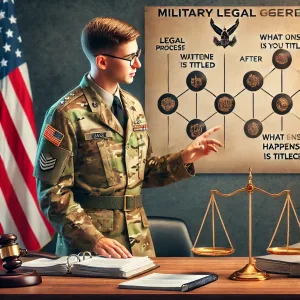
This blog will guide you through what happens after titling, including how the information is shared with other government agencies, how it appears on background checks, and the potential consequences for career advancement, security clearances, and civilian employment.
Step 1: What Does It Mean to Be Titled?
Titling occurs when a service member is named as the subject of a criminal investigation by military law enforcement, such as the Criminal Investigation Division (CID), Naval Criminal Investigative Service (NCIS), or Office of Special Investigations (OSI). Importantly, titling does not mean that the service member has been charged with or convicted of a crime. The threshold for titling is relatively low—it simply requires credible information to suggest the service member may have been involved in criminal activity.
Once titled, the service member’s name is entered into the Defense Central Index of Investigations (DCII), a database used by military and federal agencies to track investigations and security-related issues. While this may seem like a routine part of the investigation process, titling has serious long-term consequences.
Step 2: How Titling Information Is Shared
Titling information is not contained solely within the military. Once your name is in the DCII, it can be accessed by various federal agencies, civilian law enforcement, and government contractors. This can have widespread effects, especially if you are pursuing a job that requires a security clearance or working for a federal contractor. For example:
- Civilian Law Enforcement: If you apply for a law enforcement position or another job requiring a background check, your name being in the DCII could be flagged.
- Federal and Government Agencies: Agencies like the Department of Homeland Security (DHS), FBI, and other federal organizations have access to DCII records when conducting background checks for sensitive positions.
- Government Contractors: Companies working with the federal government often require background checks that include searches of military investigative databases like the DCII.
Step 3: Long-Term Consequences of Being Titled
- Impact on Career Advancement in the Military
Being titled can severely limit your opportunities for promotion or career advancement. Even if no charges are filed and the investigation does not lead to a conviction, the titling itself can be a red flag that follows you throughout your military career. Superiors may be hesitant to recommend you for promotion, fearing that your involvement in an investigation could reflect poorly on the command. - Security Clearance Issues
One of the most serious consequences of being titled is the potential impact on your security clearance. Security clearances are critical for many military and federal positions, and a titling can cast doubt on your trustworthiness, reliability, or loyalty. The titling will show up during the security clearance process, even if the investigation was ultimately closed without any charges.- Background Checks for Clearances: Agencies conducting background checks may view the titling as a potential risk factor, and they could deny or revoke your clearance, which can end your military career or prevent you from obtaining certain civilian jobs.
- Civilian Job Opportunities
After leaving the military, many veterans pursue careers in law enforcement, federal government roles, or with defense contractors—all of which require extensive background checks. Being titled, even without criminal charges, could limit your job prospects, as employers may be wary of hiring someone flagged in the DCII. Additionally, civilian employers may not understand the nuances of the military justice system, mistaking a titling for guilt.
Step 4: Options for Addressing a Titling Decision
If you’ve been titled, there are options to correct or appeal the decision. Service members can file for titling removal or seek to correct their military records through various administrative boards, such as the Army Board for Correction of Military Records (ABCMR) or the equivalent boards for other branches. If successful, this can remove your name from the DCII and mitigate the negative effects of being titled.
For a detailed step-by-step guide on how to remove a titling, read our Comprehensive Titling Removal Guide, which walks you through every aspect of the process, from gathering evidence to submitting your appeal.
Why Choose the National Security Law Firm for Your Titling Case?
- Former Military Prosecutors with Insider Knowledge
At NSLF, we have a team of former military prosecutors who understand the military justice system inside and out. We know how titling decisions are made, what evidence is used, and how to challenge these decisions effectively. - Focus on National Security and Military Law
Our firm focuses exclusively on military law and national security issues. We don’t dabble in other areas of law, so you can trust that our expertise is unparalleled when it comes to handling titling and security clearance matters. - Proven Track Record
With a 4.9/5-star rating from satisfied clients, NSLF has successfully navigated titling and probable cause removal cases, ensuring our clients get the best possible outcome.
Pricing and What You Get with NSLF
For a flat fee of $5000, we offer comprehensive legal support for your titling removal case, including:
- Detailed Case Review: We assess your situation thoroughly to determine the best approach.
- Document Filing and Submission: We handle all necessary paperwork, ensuring that your appeal is filed correctly and efficiently.
- Dedicated Case Manager: You’ll receive personalized attention throughout the process.
- Flexible Payment Plans: Pay Later by Affirm offers payment plans over 3, 6, 12, or 24 months.
Call Us Today!
Don’t let a titling decision jeopardize your future. One quick call to the National Security Law Firm can start the process of clearing your name and protecting your career. The consequences of titling can last a lifetime, but we can help you navigate the complexities of military law. With our flat fee and flexible payment options, there’s no reason to wait. Contact us today for a free consultation—let us fight for your future!
For more detailed information about the titling removal process and its consequences, visit our Comprehensive Titling Removal Guide for insights and step-by-step instructions.
For more detailed insights on titling removal, be sure to explore our related blog posts on this subject, including:
- How Much Does a Titling Removal or Probable Cause Removal Attorney Cost?
- What Is the Likelihood of Success in a Titling Removal Case?
- How to Win Your Titling Removal Case
- The #1 Mistake People Make with Titling Expungements/Removals
- Top Strategies and Tips for Titling Expungements from National Security Law Firm
- Understanding the 2021 NDAA Policy Changes and Their Impact on Titling Removal
- Common Factors That Weaken a Case for Titling Removal: What to Watch For
- What Makes a Strong vs. Weak Case for Titling Removal? Key Factors to Consider
- What to Look for When Hiring a Titling Appeal Attorney
- How Long Does a Titling Appeal Take? A Detailed Overview
- How to Appeal a Titling Decision: A Comprehensive Step-by-Step Guide
- A Clear Explanation of the Military Titling Process: What Happens After You’re Titled?
- How to Appeal an Adverse Titling Removal Decision


